
Carbon-14 (14C) is a naturally occurring radioisotope that is created in the atmosphere by cosmic rays. This is a continuous process, so more 14C is always being created. As a living organism develops, the relative level of 14C in its body is equal to the concentration of 14C in the atmosphere.
After studying this chapter, you should be able to:
Describe what the environment is and some of its major components.
Identify the shared characteristics of the natural sciences
Understand the process of scientific inquiry
Compare inductive reasoning with deductive reasoning
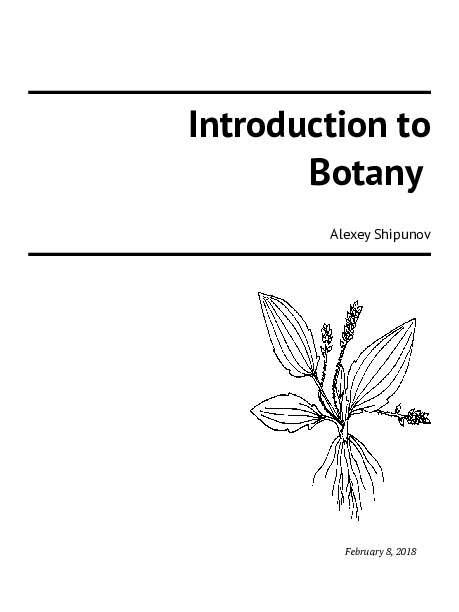
Plants2 are all organisms from Vegetabilia kingdom. Normally, plants2 are green
organisms with a stem and leaves. We can define them also as multi-tissued, primarily terrestrial and photosynthetic eukaryotes. This definition is taxonomical
(based on evolution).
In Chapter 1, you’ll discover what horticulture is and how it relates to other disciplines that involve the cultivation of plants, and take a deep dive into the different types of scientific experimentation. Then you’ll explore some of the plant parts that you eat, so you can start thinking about the plants that are all around us and how we use them in our daily lives.
After learning about these taxonomic groups, we will look at some
specialized topics in zoology. We will consider the relationships between
an animal’s exterior appearance and interior functioning, looking first
at how size and structure affect an animal’s metabolism and then at the
protective and regulatory roles of such structures as skin, shells, and
bones
Concepts of Zoology—Hawaiʻi Edition has been adapted by Alyssa MacDonald and Anuschka Faucci from the OpenStax College textbook, Concepts of Biology. For information about what was changed in this adaptation, refer to the copyright statement at the bottom of the home page. This adaptation is funded by a University of Hawai’i Community College (UHCC) OER grant as part of the the UH Open Educational Resource (OER) efforts.
A central theme of the textbook is the continuum of biological understanding, starting with basic properties
of genes and genomes, RNA and protein structure and function, and extending to the complex, hierarchical
interactions fundamental to living organisms.
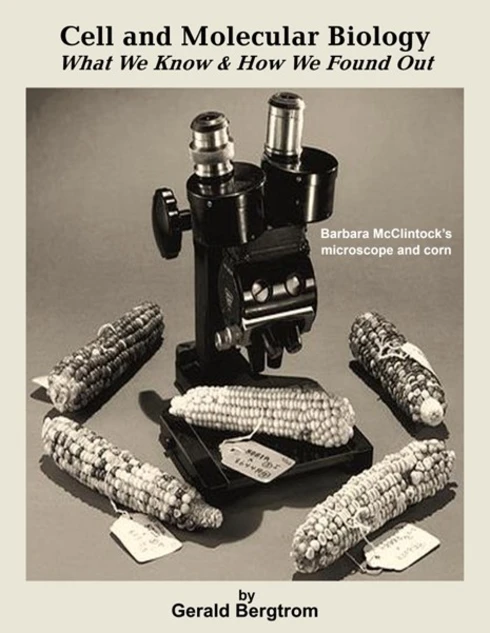
Finally, we consider some of the methods we use to study cells. Since cells are small,
several techniques of microscopy, cell fractionation (in essence a biochemical dissection of the
cell) and functional/biochemical analysis are described to illustrate how we come to
understand cell function.
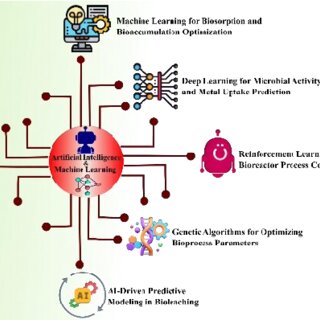
By the end of this course, readers will understand how genetic information determines traits, how it is transmitted and altered, and how scientists harness it to improve agriculture, medicine, and biotechnology. Genetics is more than a study of heredity — it is the foundation of all modern life sciences.
This text includes foundational information about both transmission and molecular genetics. Compared to
the first edition, there are additional chapters on gene regulation in eukaryotes, cancer biology, and evolution
and ancestry.
An auxiliary objective of this presentation is to help students develop
an appreciation for elegant and beautiful experiments. A substantial
number of such experiments are explained in the text, and the cited
papers contain many more.
These challenges demand a redoubled effort to more fully understand the basis of the
immune response and to learn how it can be mobilized or inhibited. Innnovative
approaches for the development of new vaccines are needed. A new generation of
immunologists will be required to grapple with these issues.
This chapter introduces the study of immunology from
an historical perspective and presents a broad overview of
the cells and molecules that compose the immune system,
along with the mechanisms they use to protect the body
against foreign invaders.
It turns out that exposure of N. gonorrhoeae to seminal fluid
increases its twitching motility and enhances formation of small clumps of
bacteria. In addition, seminal fluid proteins appear to alter the morphology and function of pili.
With tests like RT PCR (Reverse transcription polymerase chain reaction) being the norm, even
the public is more aware of microbiology and its importance. As clinical microbiologists, the
students should have good research knowledge and analytical skills and must work closely with
physicians and not limit themselves to the lab alone.
Present book is a compilation of information on microbiology done in a manner
so as to meet the need of students of microbiology of the Indian Universities.