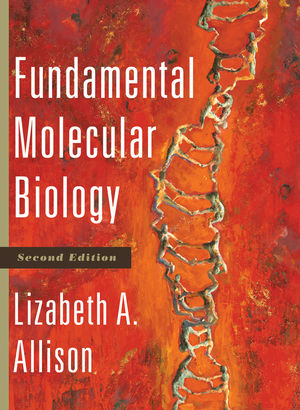
A central theme of the textbook is the continuum of biological understanding, starting with basic properties
of genes and genomes, RNA and protein structure and function, and extending to the complex, hierarchical
interactions fundamental to living organisms.
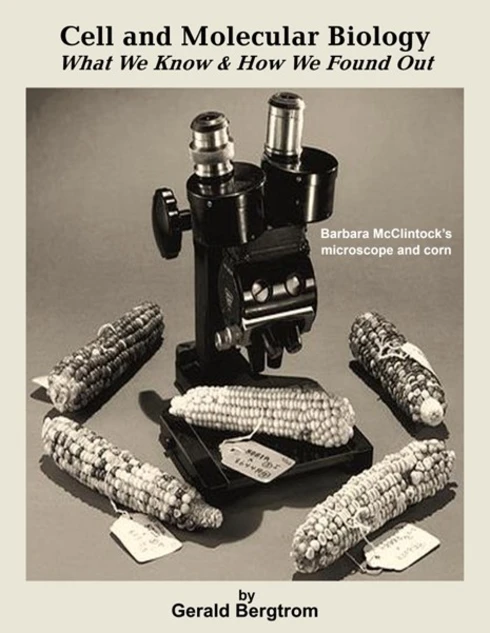
Cell and Molecular Biology What We Know & How We Found Out
Finally, we consider some of the methods we use to study cells. Since cells are small,
several techniques of microscopy, cell fractionation (in essence a biochemical dissection of the
cell) and functional/biochemical analysis are described to illustrate how we come to
understand cell function.
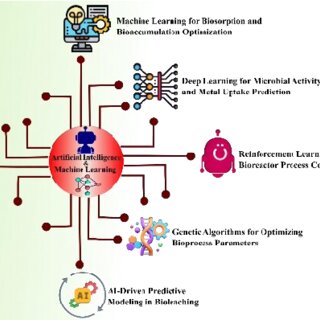
Introduction to Genetics
By the end of this course, readers will understand how genetic information determines traits, how it is transmitted and altered, and how scientists harness it to improve agriculture, medicine, and biotechnology. Genetics is more than a study of heredity — it is the foundation of all modern life sciences.
Chromosomes, Genes, and Traits: An Introduction to Genetics
This text includes foundational information about both transmission and molecular genetics. Compared to
the first edition, there are additional chapters on gene regulation in eukaryotes, cancer biology, and evolution
and ancestry.
Genetics and Molecular Biology
An auxiliary objective of this presentation is to help students develop
an appreciation for elegant and beautiful experiments. A substantial
number of such experiments are explained in the text, and the cited
papers contain many more.