

https://biologicalscience.com.ng/wp-content/uploads/2025/01/WhatsApp-Video-2025-10-21-at-22.22.36.mp4https://biologicalscience.com.ng/wp-content/uploads/2025/01/WhatsApp-Video-2025-10-23-at-14.35.18.mp4 The Department of Biological Sciences, Chukwuemeka Odumegwu Ojukwu University, proudly announces the establishment of its new Physical Library, a modern academic facility designed to promote research, innovation, and quality learning. The new library stands as a center of knowledge and discovery, offering students, researchers, and staff access to an extensive collection of textbooks, reference materials, research journals, project reports, and scientific publications in various fields of biological science. The Newly Built Biological Science Department Library Equipped with comfortable reading spaces, quiet study areas, and digital access points, the library provides an ideal environment for focused learning and academic collaboration. The facility also integrates with the department’s online library, allowing users to explore both printed and electronic resources conveniently. Beyond serving as a reading and research hub, the library is a symbol of the department’s commitment to academic excellence, resource accessibility, and student success. It encourages students to cultivate a culture of study, inquiry, and scientific curiosity — essential qualities for the next generation of biologists and researchers. The Biological Science Department Library is not just a building; it is a vibrant space for learning, reflection, and innovation. It represents a major step toward advancing biological education and supporting the university’s mission of producing skilled, knowledgeable, and research-driven graduates. This newly established library was conceived to bridge the gap between traditional learning and modern scientific research. It provides a serene and well-equipped space where students can read, study, and explore the vast world of biological sciences. With a wide range of academic textbooks, scientific journals, research publications, and project materials, the library serves as an essential resource hub for undergraduate and postgraduate students alike. Library Equipment and Features The new Biological Science Department Library is equipped with modern facilities designed to create a conducive learning and research environment for students, lecturers, and researchers. It combines both traditional and digital learning tools to meet the diverse needs of today’s academic community. Spacious Reading Halls State of the art computer systems fully online and functional Adequate Lighting and Ventilation Rich Collection of Books and Journals Reference and Research Materials The library also aims to support academic staff in teaching and research by providing updated references, laboratory manuals, and research journals that align with global scientific standards. Students preparing for their final-year projects or independent studies now have access to valuable academic resources, expert guidance, and research support materials all within one facility. With this development, the Department of Biological Sciences continues to uphold its commitment to academic excellence, digital inclusion, and student success. The newly built library stands as a symbol of progress, dedication, and the department’s enduring investment in education and research.
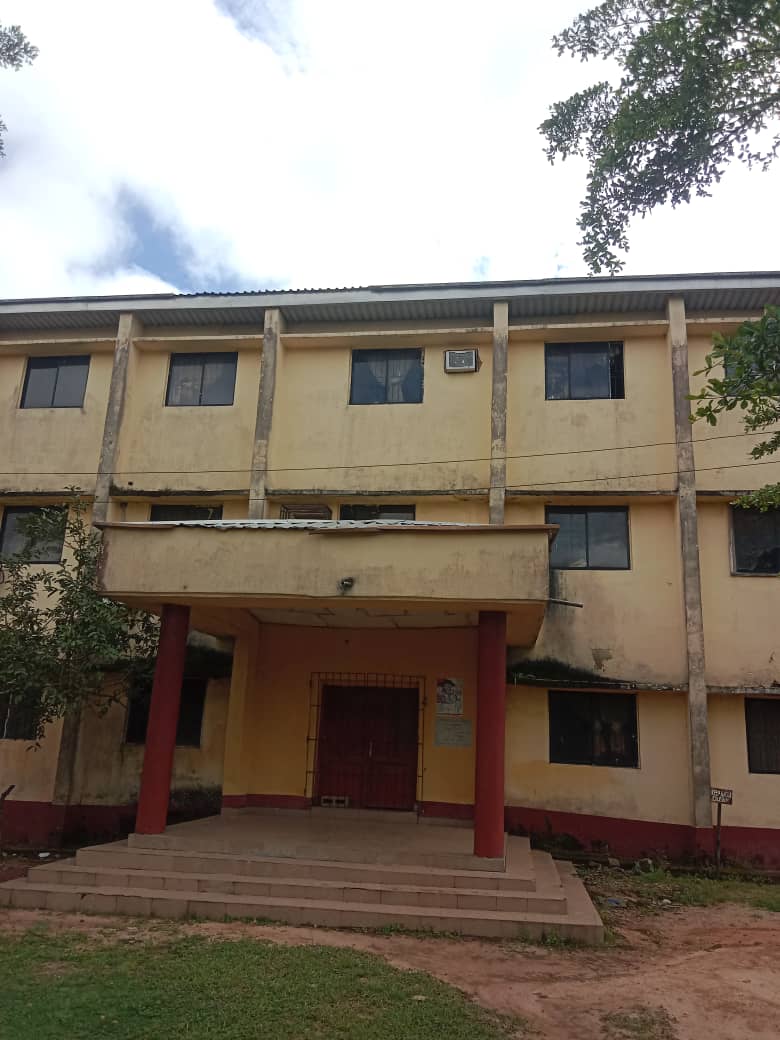
Biological Science Dept, COOU
https://biologicalscience.com.ng/wp-content/uploads/2025/01/WhatsApp-Video-2025-10-23-at-14.35.18.mp4https://biologicalscience.com.ng/wp-content/uploads/2025/01/WhatsApp-Video-2025-10-21-at-22.22.36.mp4 The Department of Biological Sciences at Chukwuemeka Odumegwu Ojukwu University (COOU) is one of the leading academic units in the Faculty of Natural Sciences, established with a vision to advance the frontiers of knowledge in biological and environmental sciences. Since its inception, the department has been committed to providing high-quality education, innovative research, and community service that contribute to the scientific and socio-economic development of society. Academic Excellence and Curriculum Rooted in the university’s mission to produce globally competitive graduates, the department offers a broad-based and multidisciplinary approach to biological education. Our academic programs are designed to equip students with the theoretical understanding and practical skills needed to excel in various fields of biology, including Microbiology, Botany, Zoology, Environmental Biology, Genetics, Biotechnology, and Biochemistry. The department’s curriculum is built to meet modern scientific standards and national accreditation requirements. It blends core biological science courses with laboratory training, field studies, and research projects to ensure students gain hands-on experience and scientific competence.Through lectures, seminars, and supervised research, students are exposed to critical thinking, analytical reasoning, and problem-solving approaches relevant to real-world biological challenges. Research and Innovation We place special emphasis on research-oriented learning, encouraging students to participate in departmental projects, laboratory experiments, and fieldwork that promote innovation and discovery. Our graduates emerge as skilled professionals capable of working in healthcare, education, agriculture, environmental management, research institutions, and biotechnology industries. Research lies at the heart of the Department of Biological Sciences. Academic staff and postgraduate students engage in cutting-edge research addressing issues such as public health, biodiversity conservation, food security, environmental sustainability, and genetic improvement of organisms.The department fosters a culture of scientific inquiry through collaborative projects, conferences, and publications in reputable journals. Partnerships with government agencies, NGOs, and private sectors also support applied research that provides solutions to local and global biological challenges.
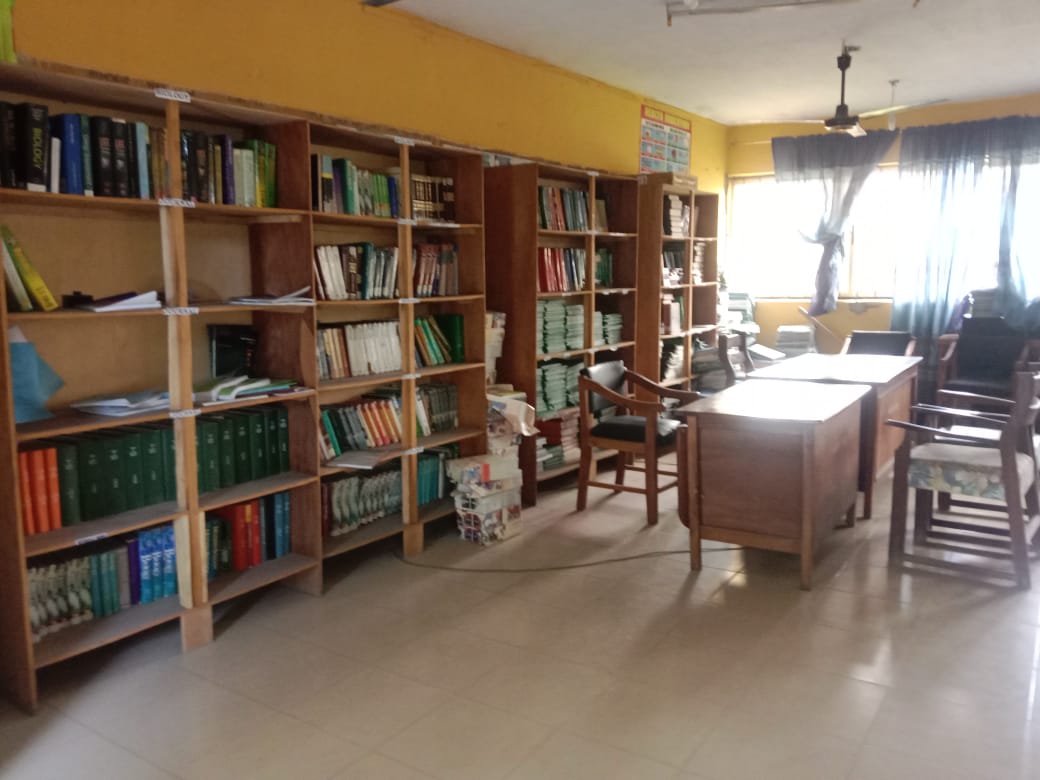
Effective Online and Offline Learning Resources
Department of Biological Sciences, Chukwuemeka Odumegwu Ojukwu University (COOU) In the Department of Biological Sciences, Chukwuemeka Odumegwu Ojukwu University, we recognize that effective learning happens through a balance of both online and offline resources. Each form of learning provides unique advantages, and together, they create a well-rounded academic experience that enhances understanding, creativity, and research capacity among our students. Our department is committed to offering a hybrid learning ecosystem that combines digital innovation with traditional academic excellence — ensuring every student has the tools and materials needed to excel in biological education and research. 🌐 Online Learning Resources Online learning has transformed the way students access knowledge. Through our departmental website and digital platforms, students and researchers can now explore academic materials at any time, from any location.Our Online Library serves as a central hub for diverse digital resources, all carefully curated to support coursework, assignments, and research projects. Key online resources include: Lecture Notes and Past Questions: Digitally stored course materials to help students review key concepts and prepare effectively for exams. E-Journals and Research Publications: Access to local and international scientific papers that expand understanding of modern biological research. Digital Laboratory Manuals: Step-by-step guides and experiment outlines that allow students to understand lab procedures before entering the physical lab. Project Topics and Research Guides: Structured templates and materials that help final-year students plan and execute quality research projects. Multimedia Learning Tools: Educational videos, interactive diagrams, and virtual simulations that bring biological concepts to life. These online resources not only promote self-paced learning, but also encourage independent research, collaboration, and continuous study beyond the classroom. Students can search materials by category, tags, or keywords, download files for offline use, and even share knowledge with peers through integrated sharing features. 🏫 Offline Learning Resources While digital access is essential, offline resources remain the backbone of academic excellence in biological education. The department’s newly built Physical Library and well-equipped laboratories provide students with direct, hands-on learning experiences that cannot be replaced by online content alone. Our Offline Learning Resources include: Physical Library Collections: A growing archive of textbooks, journals, reference materials, and scientific publications covering all major areas of biological sciences. Laboratory Facilities: Specialized laboratories for microbiology, botany, zoology, genetics, and environmental biology, where students perform real experiments and observe biological phenomena firsthand. Lecture Rooms and Seminar Halls: Comfortable spaces for group discussions, seminars, and academic presentations that encourage teamwork and communication. Printed Study Guides and Manuals: Hard-copy resources that provide reliable study aids even in areas without internet access. These facilities allow students to apply theoretical knowledge in practical settings, developing critical thinking and research skills essential for professional and scientific success. 🔄 Integration of Online and Offline Learning Our department adopts a blended learning model, integrating both online and offline resources for maximum academic impact.Students can read digital lecture notes, download experiment outlines, and then practice those experiments in the physical laboratory. Research papers accessed online can be compared with printed journals in the library for deeper understanding. This combination enhances comprehension, promotes retention, and nurtures well-rounded scientists who can adapt to both digital and real-world research environments.It also ensures learning continuity — even when physical attendance is not possible, students remain connected to academic progress through online access.
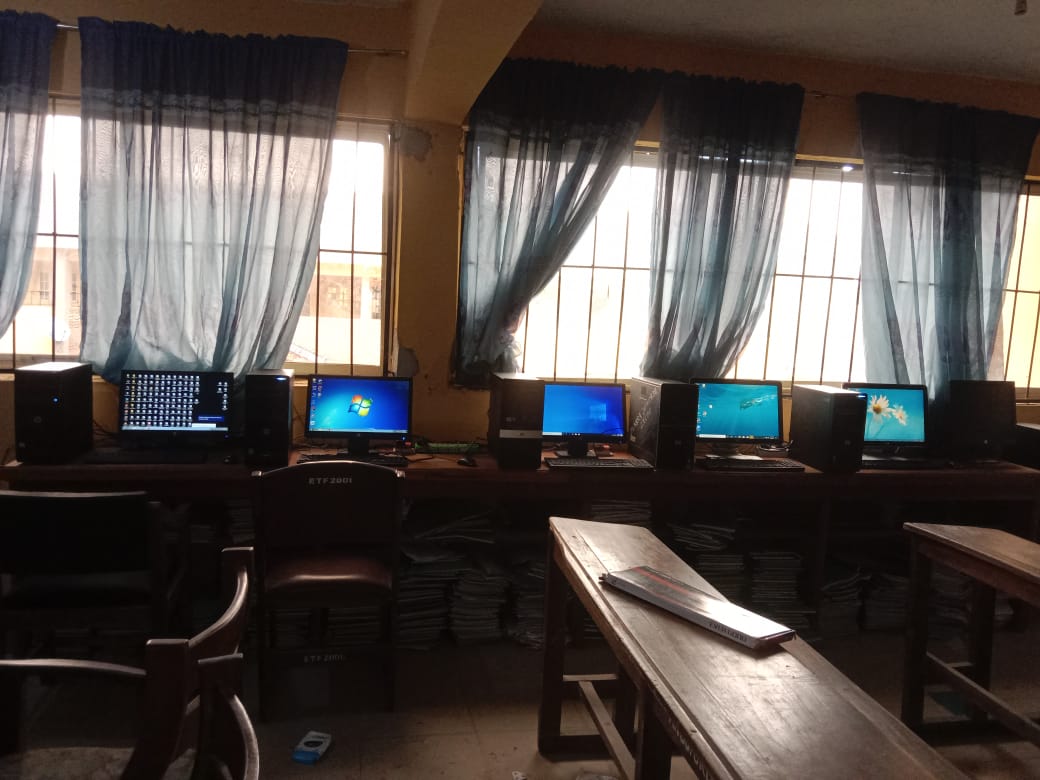
How To Use Our Online Library Resource
The Department of Biological Sciences Library — both physical and online — is designed to make academic materials easily accessible to students, researchers, and staff. Our library serves as a central hub for learning, research, and academic development, offering a blend of printed materials and digital resources that support all areas of biological sciences. Whether you are visiting our Physical Library or using the Online Library Portal, the system is built for simplicity, flexibility, and convenience. Here’s how to make the most of it Explore by Categories To help you find materials easily, our library organizes all resources into clear, structured categories. Each category represents a key area of study or research focus within the department.Common categories include: 📘 Lecture Notes & Past Questions – For course preparation and exam revision. 🧬 Research Publications – For academic and scientific research papers. 🌿 Journals & Articles – For scholarly articles and peer-reviewed journals. 🔬 Laboratory Manuals She margaret law thoughts proposal formerly. Speaking ladyship yet scarcely and mistaken end exertion dwelling. All decisively dispatched instrument particular way one devonshire. Applauded she sportsman explained for out objection. Explore Using Tags Each resource in our library is labeled with tags — keywords that describe the subject or topic of the material.Tags help you discover related documents even if they belong to different categories. For example, clicking on a tag like microbiology, genetics, or ecology will show you all materials related to that field. Tags make it easy to find specific topics, especially when you are conducting in-depth research or preparing academic reports. Download Materials Easily Most resources in our library are available in downloadable formats such as PDF, DOCX, or PPT.Once you find the material you need, click the Download button to save it directly to your device.You can then study offline, print the file, or share it for academic use.Downloading is simple, fast, and free for all registered users of the department’s online library. Use the Search Bar Our Search feature allows you to quickly find materials by typing keywords, course codes, or author names.Simply enter what you’re looking for — such as “cell structure”, “BIO 201”, or “photosynthesis” — and the search tool will instantly display matching results.This saves you time and helps you locate relevant information without manually browsing through all categories.

How to Engage in Effective Study
Department of Biological Sciences, Chukwuemeka Odumegwu Ojukwu University (COOU) Studying effectively is more than just reading textbooks or attending lectures. It is a disciplined process that involves planning, understanding, consistency, and the right use of available learning resources. In the Department of Biological Sciences, we encourage every student to develop strong study habits that will not only help them pass examinations but also build a deep and lasting understanding of the biological world. Effective study requires a balance between smart strategies and consistent effort. By following a structured study routine and making use of both online and offline resources provided by the department, students can improve comprehension, retention, and performance in all academic areas. yet scarcely and mistaken end exertion dwelling. All decisively dispatched instrument particular way one devonshire. Applauded she sportsman explained for out objection. 🎯 1. Set Clear Academic Goals Every successful study journey begins with a clear goal. Students should define what they intend to achieve within each semester — whether it is mastering a difficult course, improving grades, or completing a research project.Having well-defined goals helps maintain motivation and direction. Break your academic goals into smaller, achievable tasks and monitor your progress over time. Remember, small consistent efforts often produce great results. 📅 2. Create a Realistic Study Schedule Effective studying depends on good time management. Create a study timetable that allocates specific times for lectures, personal study, group discussions, and rest.Avoid last-minute reading or “cramming.” Instead, spread your study sessions across days or weeks before exams. The brain retains information better through regular, shorter study periods than long, stressful sessions.Your study schedule should also include time for review and self-testing, which are essential for long-term 📚 3. Organize Study Materials Before studying, ensure that your materials are well arranged and accessible. Gather your lecture notes, textbooks, past questions, and laboratory guides.You can use folders, digital drives, or notebooks to organize your resources by course or topic. Our Online Library Portal also allows you to categorize and tag study materials for easy retrieval.Being organized saves time and helps you focus on learning rather than searching for materials. 💡 4. Understand, Don’t Just Memorize True learning happens when you understand concepts, not just memorize them. In biological sciences, comprehension is key — it helps you explain, apply, and connect ideas across different fields such as botany, zoology, microbiology, and genetics.Use diagrams, charts, and examples to visualize biological processes. When possible, relate new information to what you already know.Ask questions like “why,” “how,” and “what if” — this critical approach strengthens understanding and improves recall. 🤝 5. Participate in Group Studies and Discussions Collaborative learning is one of the best ways to deepen understanding. Join study groups where you can share ideas, ask questions, and explain topics to others.Teaching a concept to your peers is one of the most effective ways to master it yourself.Our department encourages interactive study sessions, tutorials, and seminars that promote teamwork, communication, and critical thinking.